Rethinking Housing: Is 3D Printing the Breakthrough Australia Needs?
Posted by Eve Forsyth - 30 October 2025

Posted by Eve Forsyth - 30 October 2025
· 3D printing new homes can improve construction times by 40 per cent, compared to building with traditional methods.
· Australia has seen single-storey 3D printed homes constructed, but the first such multi-storey home is being built.
· With supply of new housing at its lowest in nearly a decade, there's hope this method will assist in meeting demand.
Printing a house starts the same way as building one, with a drawing from a draftsperson or architect. But then things take a different turn.
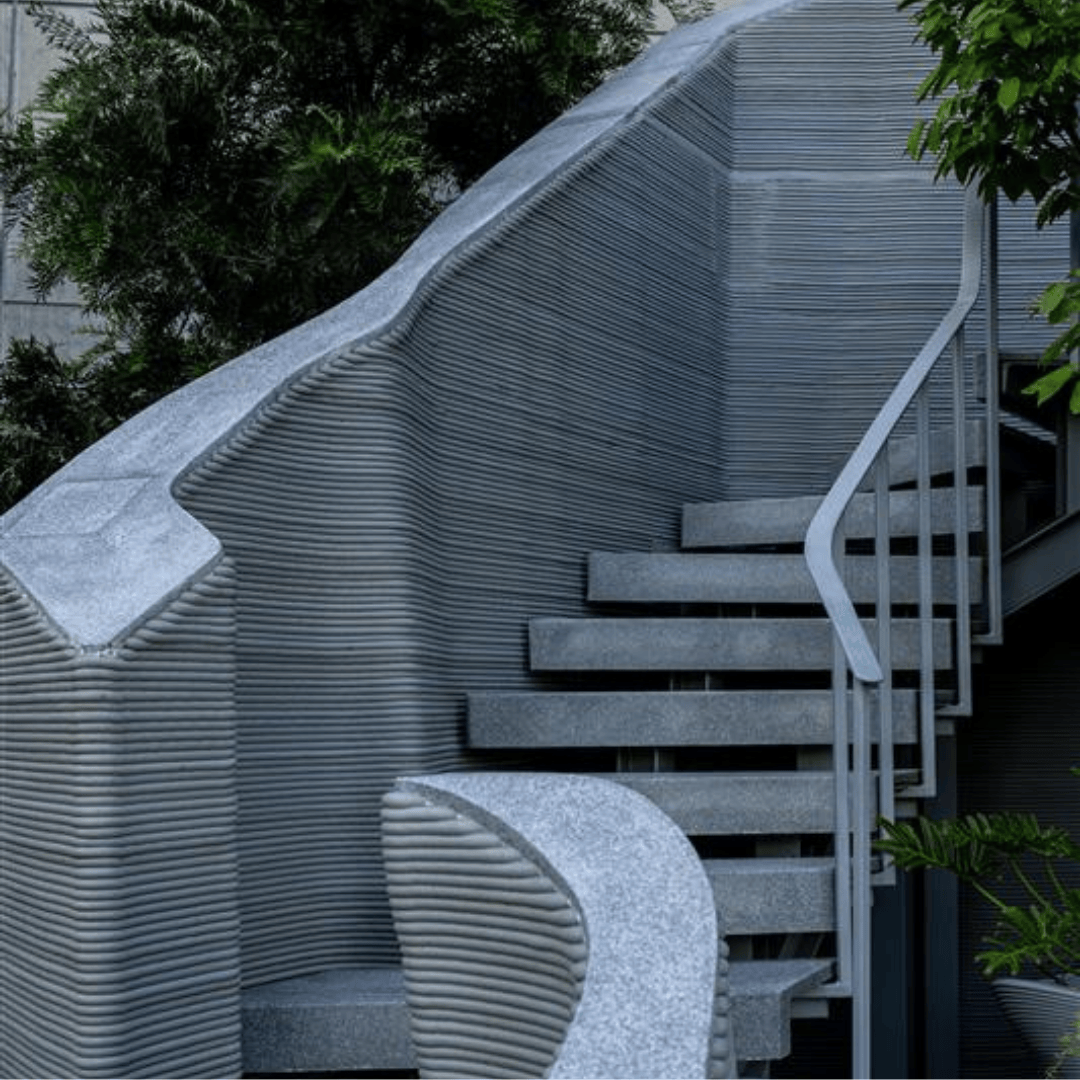
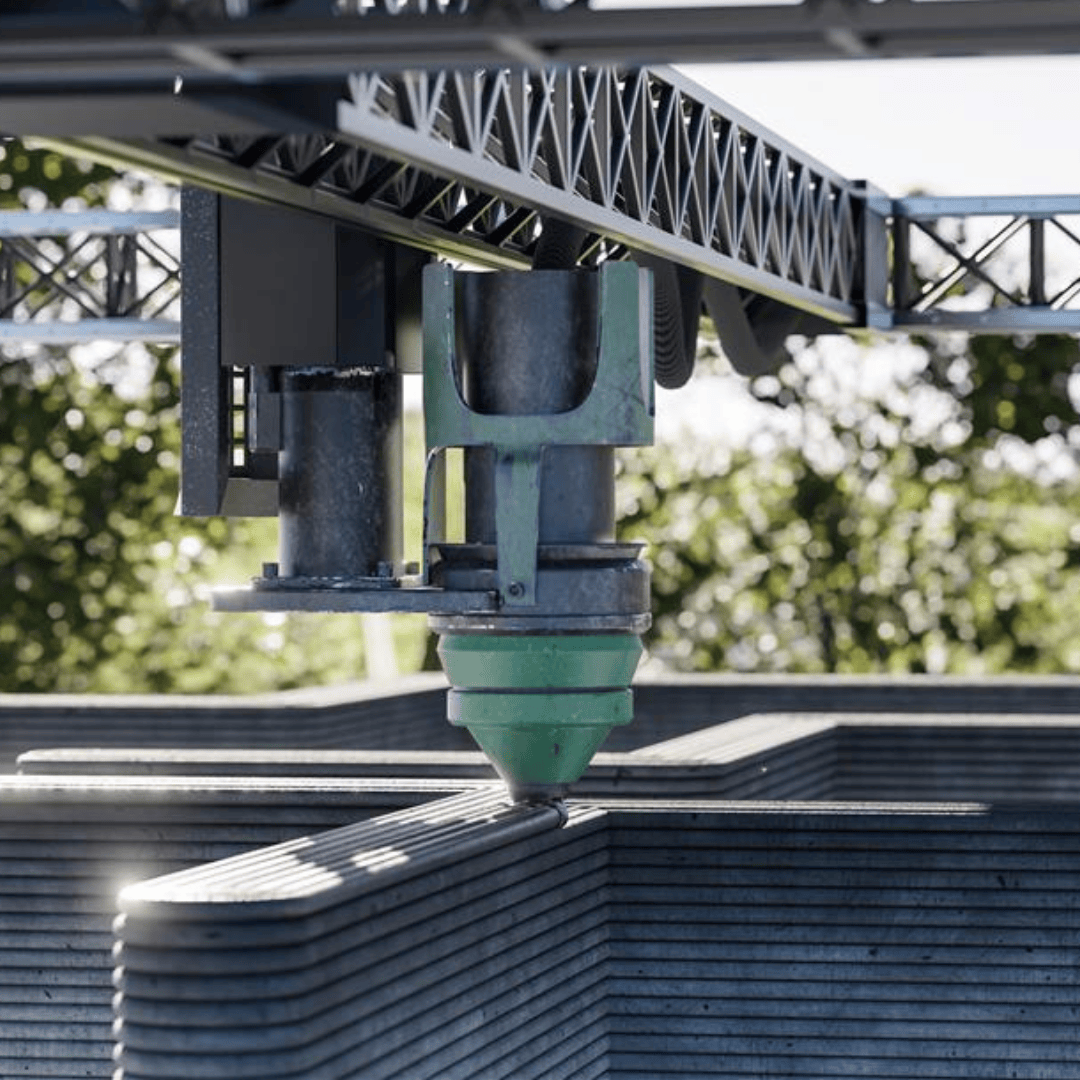
The property's blueprint or drawing is fed into a printer, which creates a physical structure by printing the material in layers.
"With 3D printing, it all gets digitised... [The] working drawing goes into a printer as a geometric code, and then it gets done," Ahmed Mahil, the CEO of Luyten, the Melbourne-based company printing a house in Wyndham, told SBS News.
"All the other trades will come and their jobs will be easier ... it'll become just plug and play," Mahil added. "There will be no more thinking on site or trying to go from one remedy to another. That obviously saves a lot of time in terms of workflow [as] it's just one material that you're dealing with."
According to the builder, the entire process of building "80 per cent of [a] house" in Wyndham took approximately three weeks.
Wyndham isn’t the only place where a 3D-printed home is in Australia.
Earlier this year, two single-storey homes were built in the New South Wales town of Dubbo as part of a 3D-printed social housing project. Technology now allows a property's blueprint to be digitised and 'built' in layers, using a large-scale 3D printer.
With the average build time for a stand-alone home having increased by 40 per cent, according to Master Build Australia, developers say this technology could be a faster solution for countries facing a housing crisis.
It comes as the supply of new housing falls to its lowest level in nearly a decade, according to the National Housing Supply and Affordability Council report in May.
The report said 177,000 new homes were finished in 2024, a big gap from the estimated underlying demand of 223,000 for the same period.
Mahil believes 3D-printed homes could be the answer.
"I believe [they] will contribute significantly to reducing the issue with supply," he said.
"We're talking about increasing the efficiency and the productivity ... A traditional builder does 10 houses a year. We can up that to 50 houses."
Some experts consider the 3D printing method to be a more sustainable alternative to traditional processes.
"There are really big benefits to 3D printing and sustainability in construction," Kate Dunn, an academic at UNSW, told SBS News.
Ahmed Mahil says printing this 3D house cost 30 per cent less than a traditional construction.
"One of the biggest benefits is [that] you use way less material than you do in traditional construction. 3D printing gives us the opportunity to create quite customised forms that use substantially less concrete than traditional methods. So that's where the environmental impact happens, that reduction in material."
3D-printed homes are also considered to be more affordable than traditionally built homes.
Mahil claims his 3D-printed house cost 30 per cent less than a traditional build. However, there's been no official Australian research into the cost difference.
Despite the benefits, others worry the use of technology may reduce the demand for human labour.
According to 2023 research by academics at Charles Darwin and Monash universities, the 3D technologies will "reduce opportunities for many people working onsite", which "may cause political instability in particular economies".
Hao Wu, an academic in Melbourne University's faculty of architecture, says the construction industry will have to adapt.
"The existing work-relation industry structure may be impacted [by] it and maybe gradually transform," he said. "In some cases, it could be an industry shock."
On the other hand, Mahil suggests the new technology will help smaller businesses keep up with rising demand.
"When they have better tools like the robots, 3D printers - and incentives to use those - that will help them do what they can do best, which is build more houses," he said.
Updated 29 June 2025. Used with permission from SBS Australia.
Author: Asha Abdi, Niv Sadrolodabaee

We'll give you a clear, honest assessment based on real market insights, so you can make informed decisions with confidence.
Local knowledge. Proven results. Trusted advice.